 Agroforestry
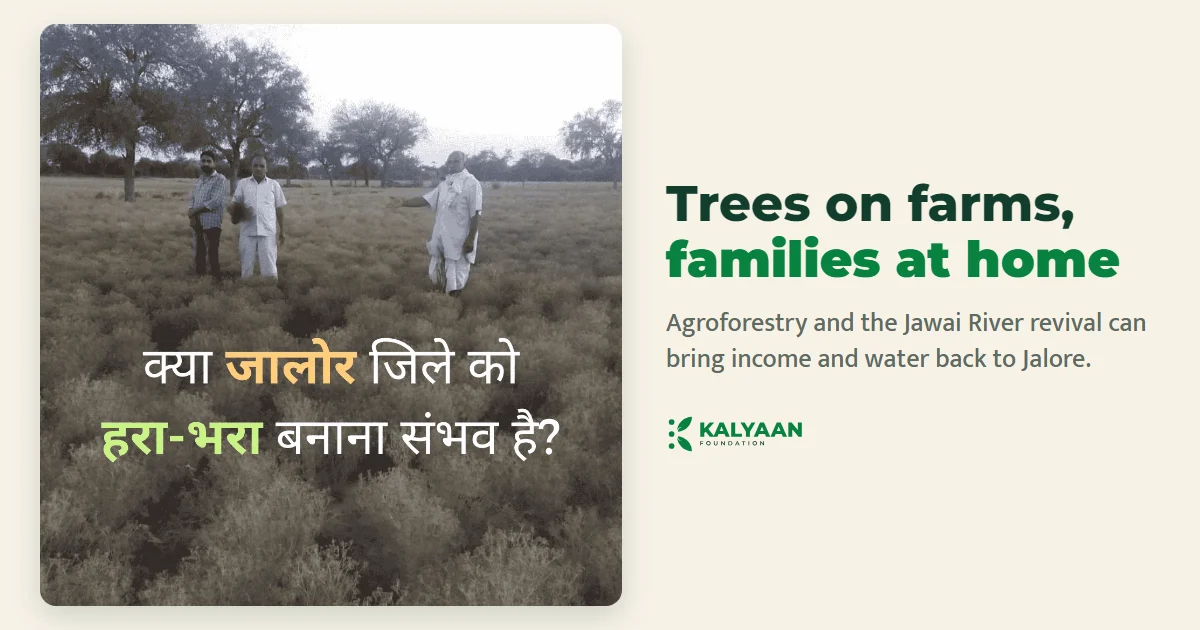
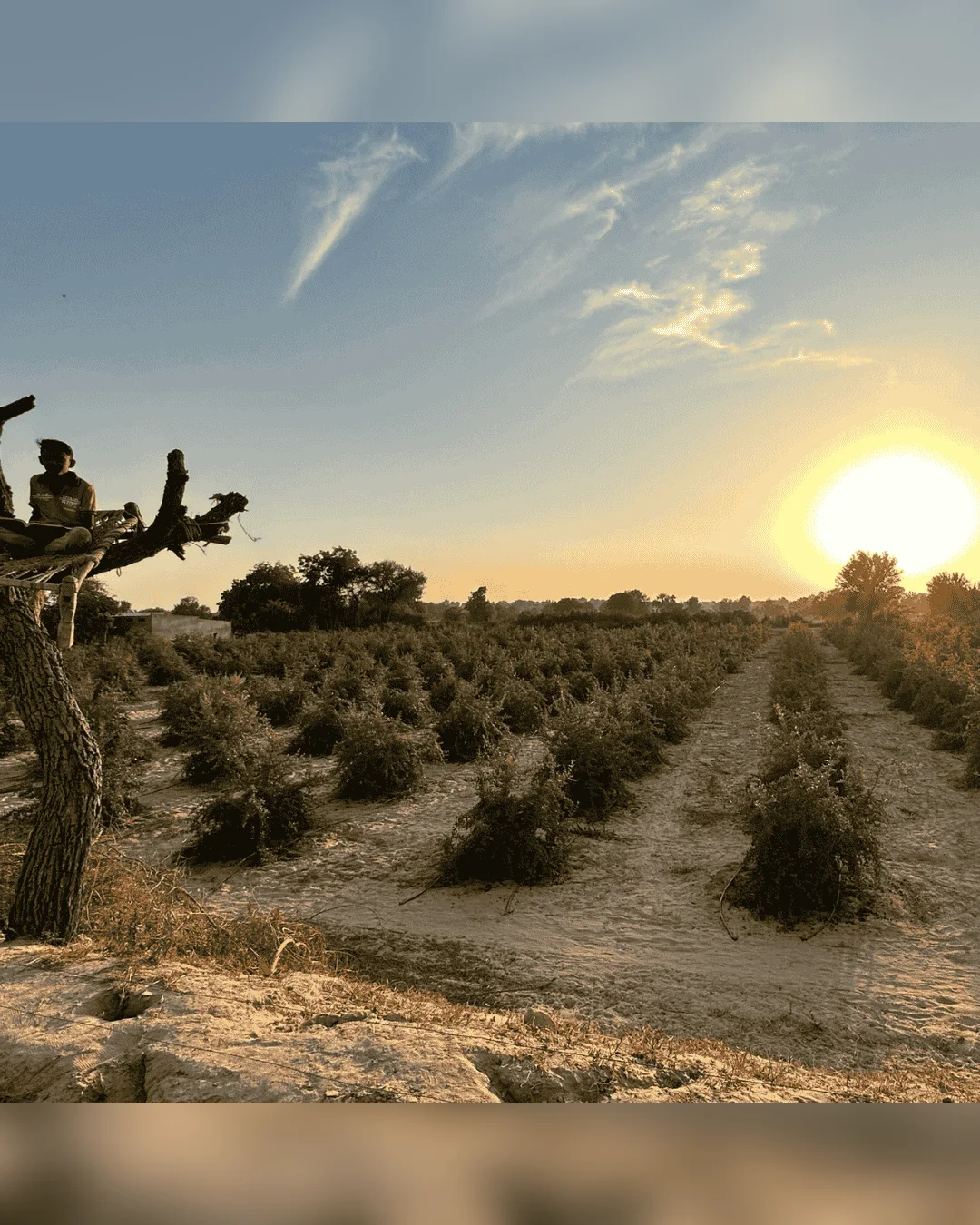
Many families in Jalore district, Rajasthan, leave their villages because farming alone no longer pays. Agroforestry, growing trees alongside crops, can add income from fruit, timber and medicinal plants, improve the soil and help the land resist drought. Combined with check dams on the Jawai River, it can make Jalore a model of prosperous, self-reliant villages.
In Rajasthan’s Jalore district, adopting agroforestry in Jalore villages not only presents an effective approach to environmental restoration but also holds the potential to bring meaningful changes to the lives of local communities. The revival of the Jawai River, water conservation, and agroforestry initiatives could pave the way for a sustainable and prosperous future in the region.
Addressing migration through agroforestry in Jalore
Many farmers and families in Jalore are leaving their villages to seek employment in urban areas. Agroforestry offers a way to reduce this migration by providing farmers with additional income sources directly from their land. Integrating trees with traditional crops improves soil fertility and provides products such as timber, fruits, and medicinal plants, thereby boosting farmers’ income while preserving the land.
The Jawai River revival and water conservation
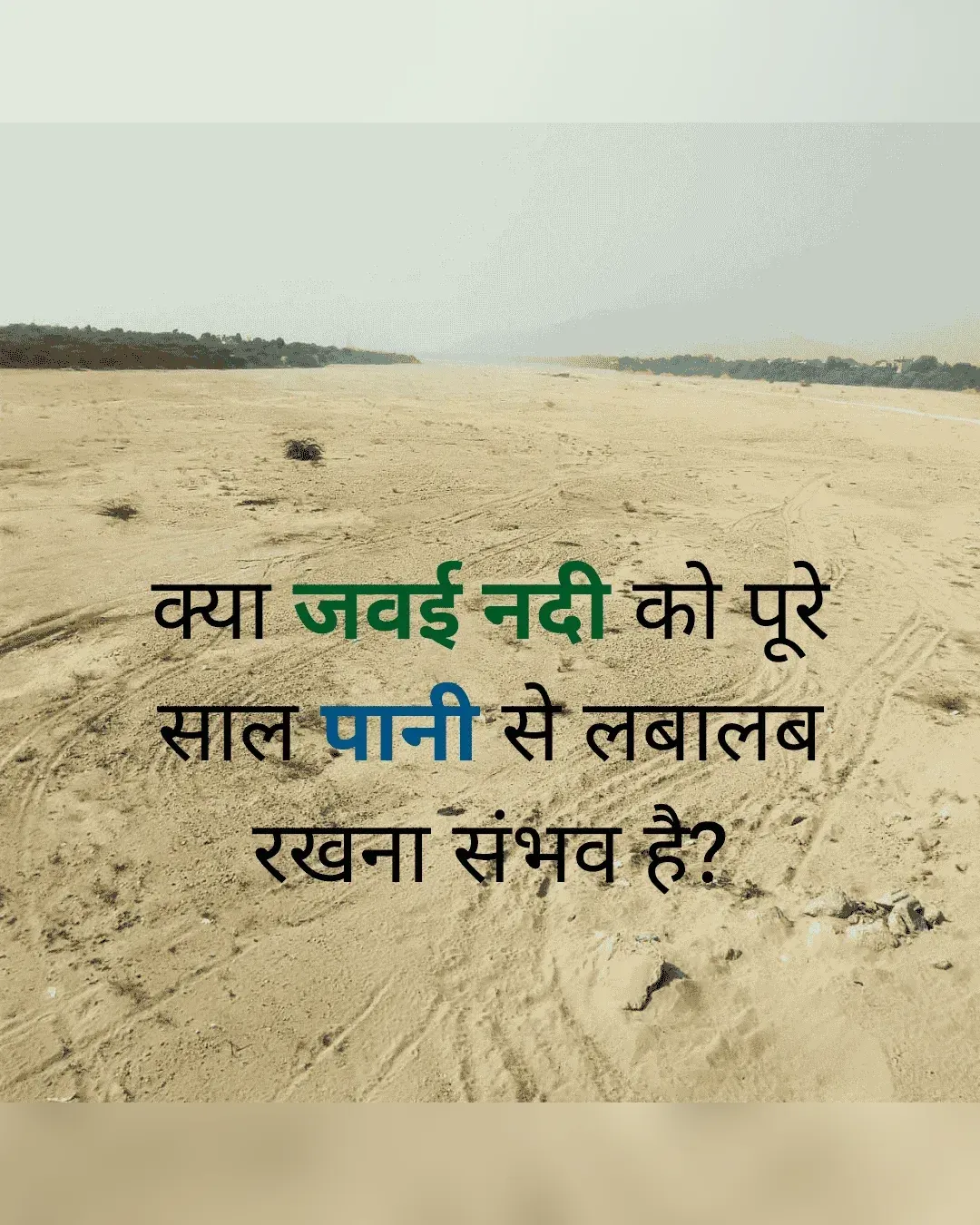
The Jawai River revival project plays a critical role in securing the future of Jalore. As part of this initiative, check dams will be strategically constructed along the river to conserve water, ensuring a consistent supply for agriculture and other needs. These measures will not only improve groundwater levels but also provide a stable water source for agroforestry. Water conservation efforts in Jawai create a sustainable model for agriculture that will support local farmers throughout the year.
Economic benefits and a stronger local economy
Agroforestry enables farmers to diversify their income through products such as fruits, timber, and medicinal plants. For instance, planting fruit trees like mango, guava, amla, and lemon provides an additional income stream along with traditional crops. Moreover, agroforestry initiatives will create more employment opportunities, reducing the need for locals to migrate elsewhere in search of work.
Why the Jawai River revival matters
The construction of check dams on the Jawai River is a significant step toward sustainable water management and environmental restoration in the region. These water reservoirs provide reliable water resources and create new wildlife habitats, promoting biodiversity, just as check dams did in Dholpur. Additionally, the development of these reservoirs will attract tourism, which in turn can strengthen the local economy. The Jawai River revival project, combined with agroforestry practices, can establish a sustainable agricultural model in Jalore, benefiting both the environment and the local communities.
Community awareness and future prospects
It is essential to raise awareness about the benefits of agroforestry and water conservation in Jalore. Agroforestry not only boosts the economy but also helps farmers build resilience against climate change. Initiatives like these represent a solid step toward economic and environmental balance, helping Jalore thrive as a model for sustainable rural development.
Conclusion
The development of agroforestry and the Jawai River revival project lay the foundation for a prosperous future for farmers and local communities in Jalore. With collective efforts and support from government bodies, local communities, and conservation groups, Jalore can be transformed into a sustainable and thriving region.
Questions and answers
What is agroforestry?
Agroforestry is growing trees together with crops (and sometimes livestock) on the same land, so farmers earn from both while the trees improve soil, shade and water retention.
How can agroforestry reduce migration from Jalore?
By giving farm families extra and steadier income from fruit, timber and medicinal plants, and creating local jobs, so people do not need to leave their villages for work.
Which trees suit agroforestry in Jalore?
Fruit trees such as mango, guava, amla and lemon can add income alongside traditional crops, chosen to match local soil and water.
How is the Jawai River revival linked to agroforestry?
Check dams on the Jawai River would store water and raise groundwater, giving farmers the reliable water that young trees and crops need through the dry months.