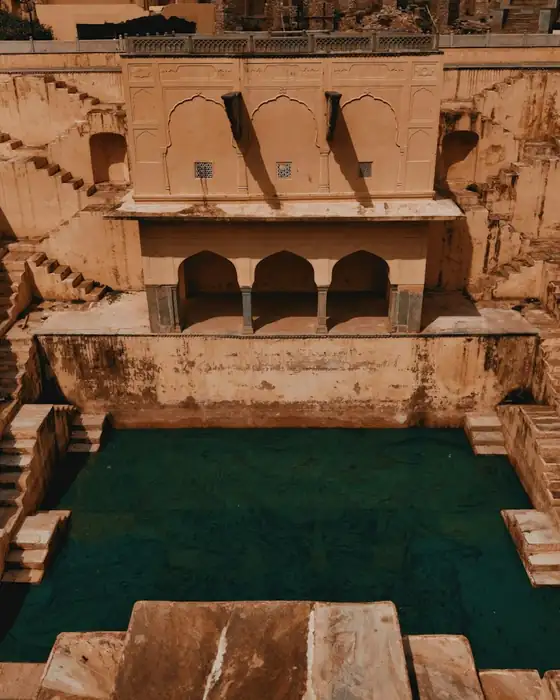
 Traditional wisdom
Stepwells and ponds were built for dry years.
Rajasthan's stepwells show how communities stored water for generations.

Clean water, clean air and healthy land: the basics every life depends on.
Kalyaan's environment work began with water: in dry regions most rain arrives in a few weeks and runs away within days. We explore simple, proven ways to slow that water down, store it and let it recharge the ground.
From the Jawai river in Jalore to check dams in Dholpur, the aim is rivers that flow longer and wells that refill. Next come the air we breathe, noise, waste and pollution, with the same practical, local approach.
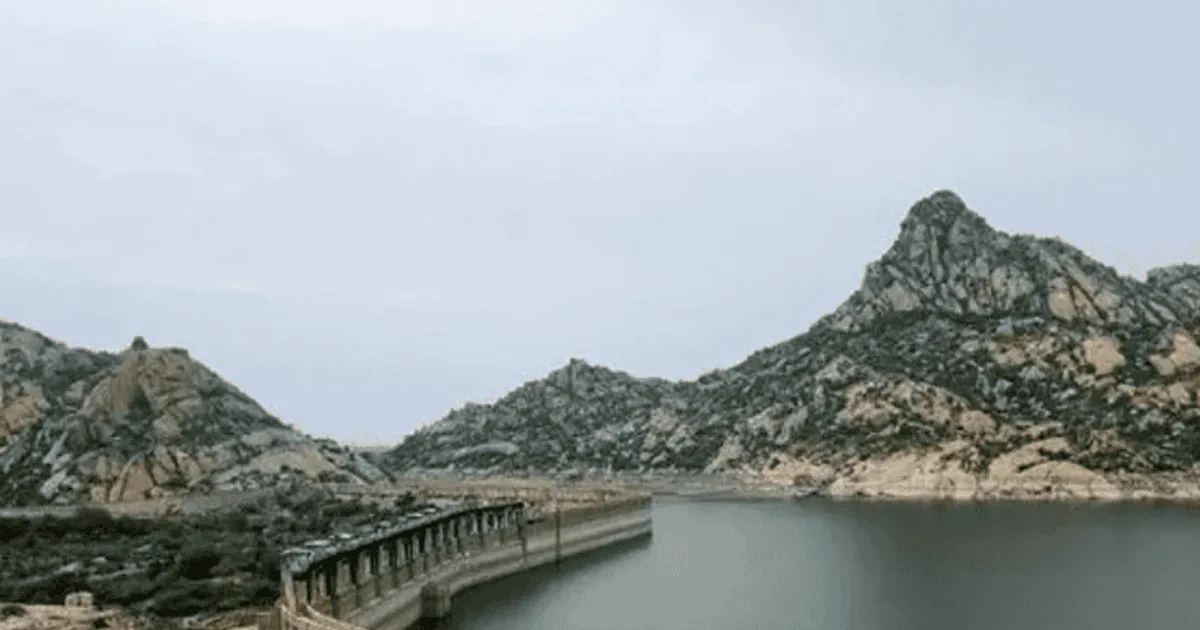
When rain runs off too quickly, rivers dry up after the monsoon, groundwater falls and farming becomes a gamble. Families then migrate to cities for work.
When rain is held back in small steps along a river, the land stays moist for longer, wells refill and the whole region becomes more resilient.
Every drop held on the land today is water for tomorrow.
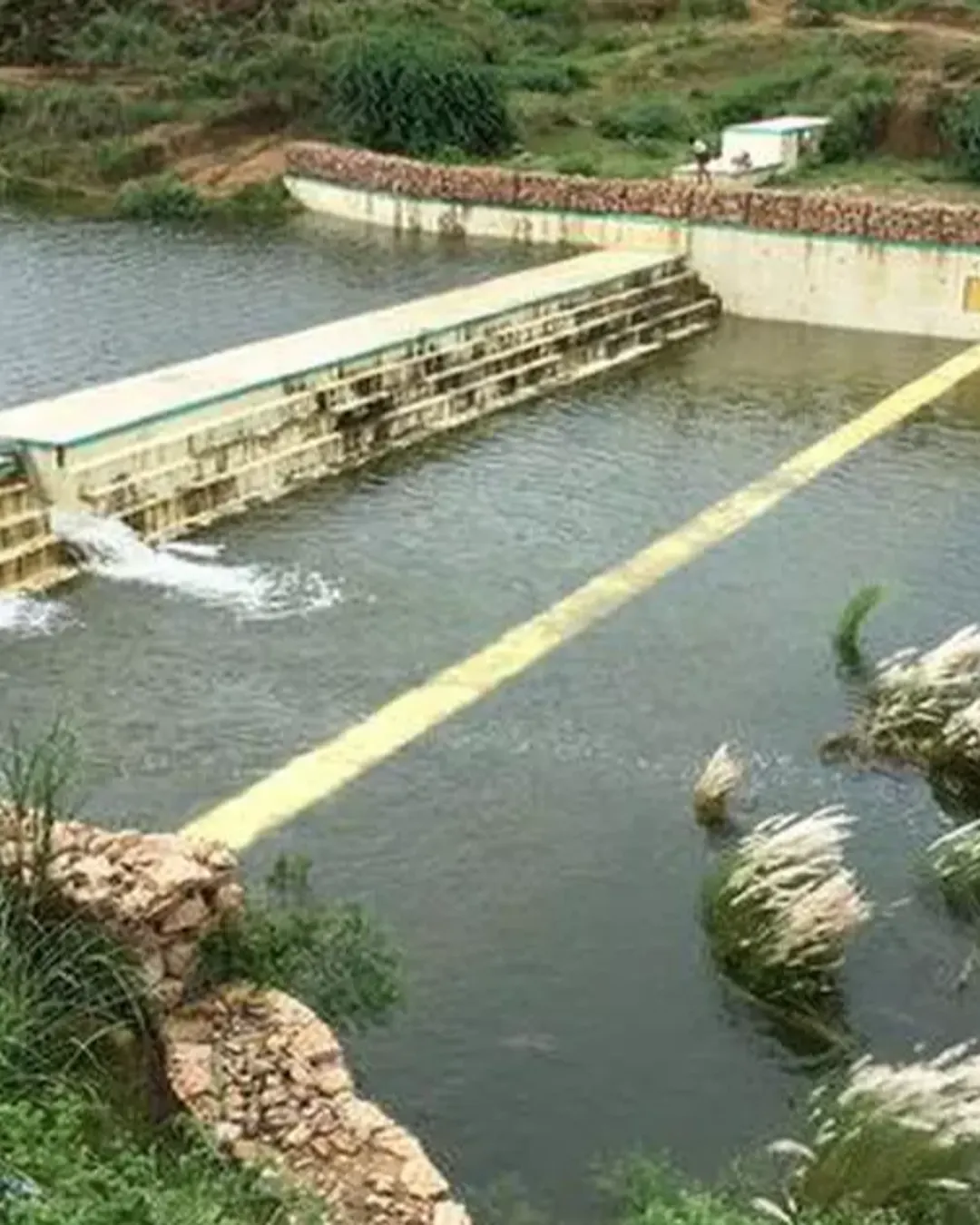
Small, low-cost structures built in a series do more than one large project far away.
Rooftops, open grounds and farm bunds collect rain before it runs off.
A series of check dams, roughly every 4 to 5 km, holds water in the river bed.
Stored water seeps down and refills wells and aquifers.
Villages, farmers and local bodies look after the structures together.
India has a long tradition of saving water. Kalyaan connects that wisdom with modern planning and examples from around the world.
Traditional wisdomRajasthan's stepwells show how communities stored water for generations.
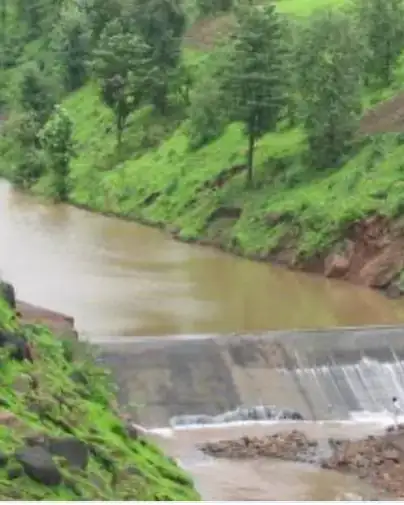 Check dams
In Dholpur, check dams brought water back and families returned home.
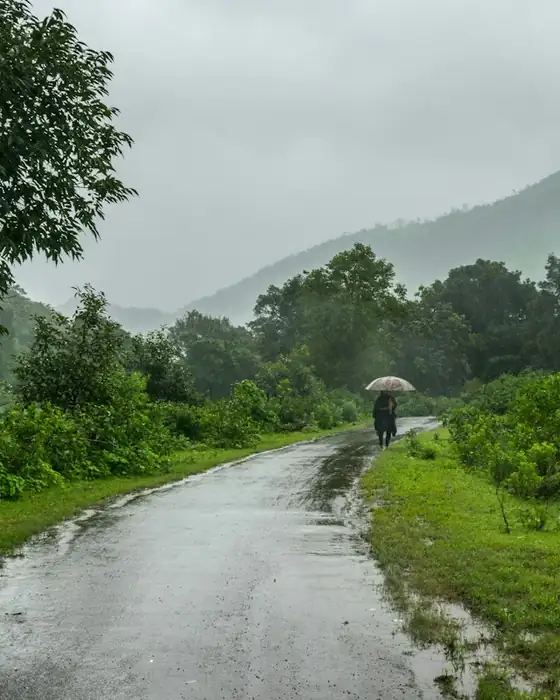 Monsoon rain
Rainwater harvesting in open areas can recharge the ground for the whole year.

Rivers keep water well after the monsoon ends.

Groundwater rises and drinking water becomes more reliable.

Reliable water makes crops and trees possible in dry land.

With water and work nearby, fewer people migrate in search of a living.
 Environment
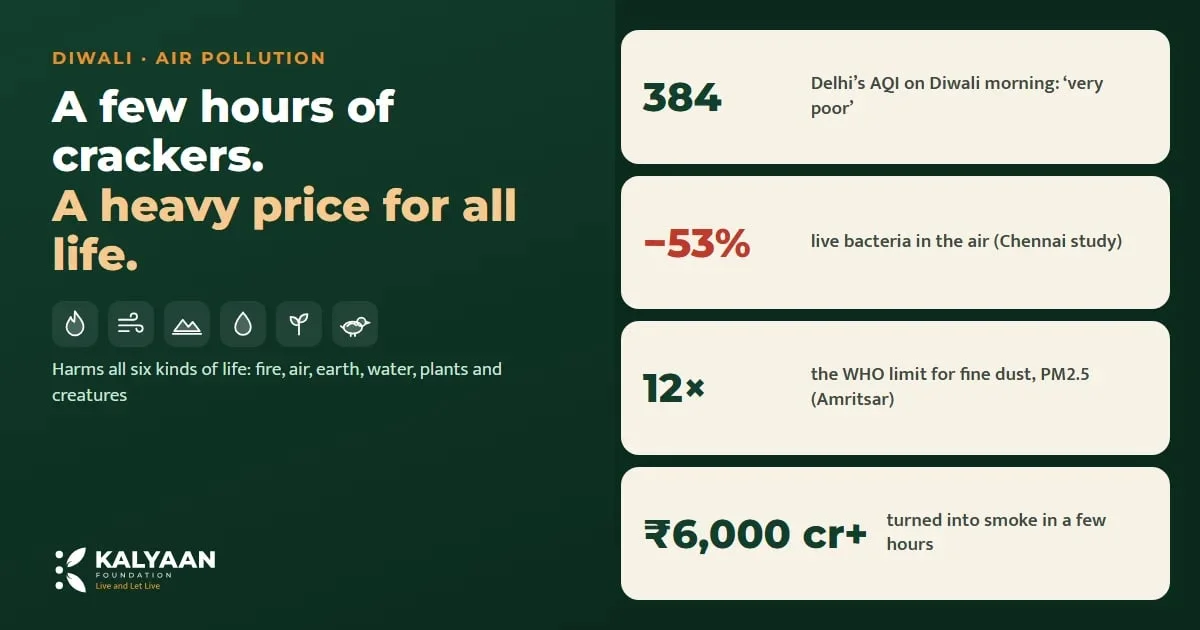
Diwali crackers push AQI to ‘very poor’, halve the bacteria in the air and hurt lungs, wallets and wildlife. The facts, and a kinder way to celebrate.
 पर्यावरण · हिंदी
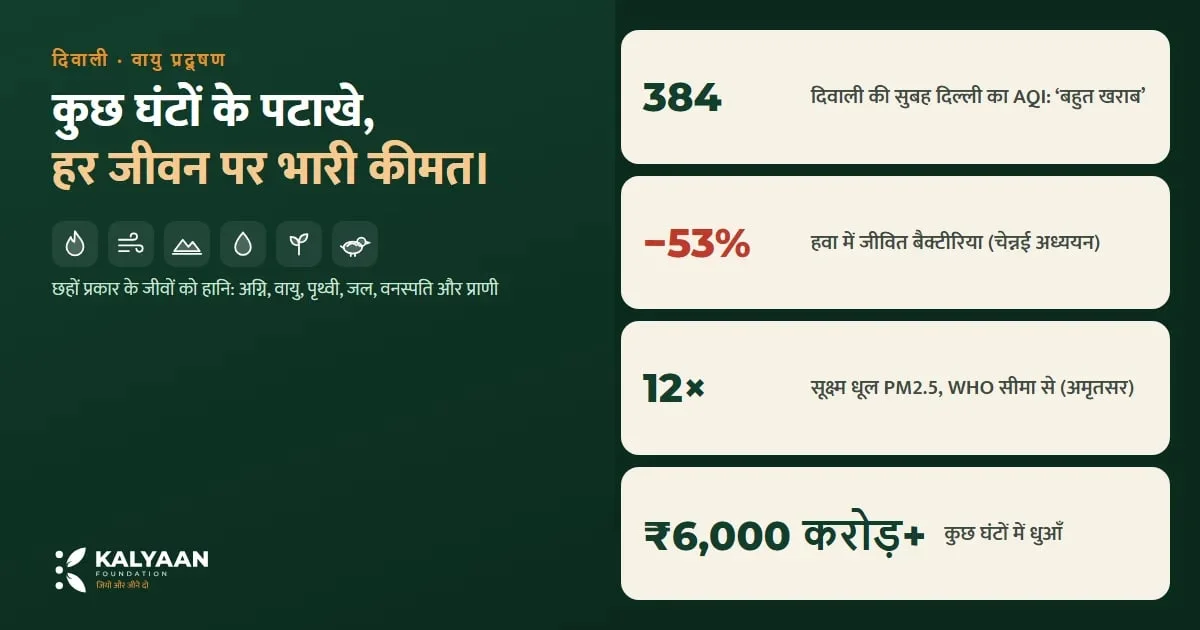
दिवाली के पटाखों से AQI ‘बहुत खराब’ हुआ, हवा के बैक्टीरिया आधे रह गए और फेफड़ों, जेब व पशु-पक्षियों पर असर पड़ा। जानें तथ्य और बेहतर उत्सव का तरीका।
 पर्यावरण · हिंदी
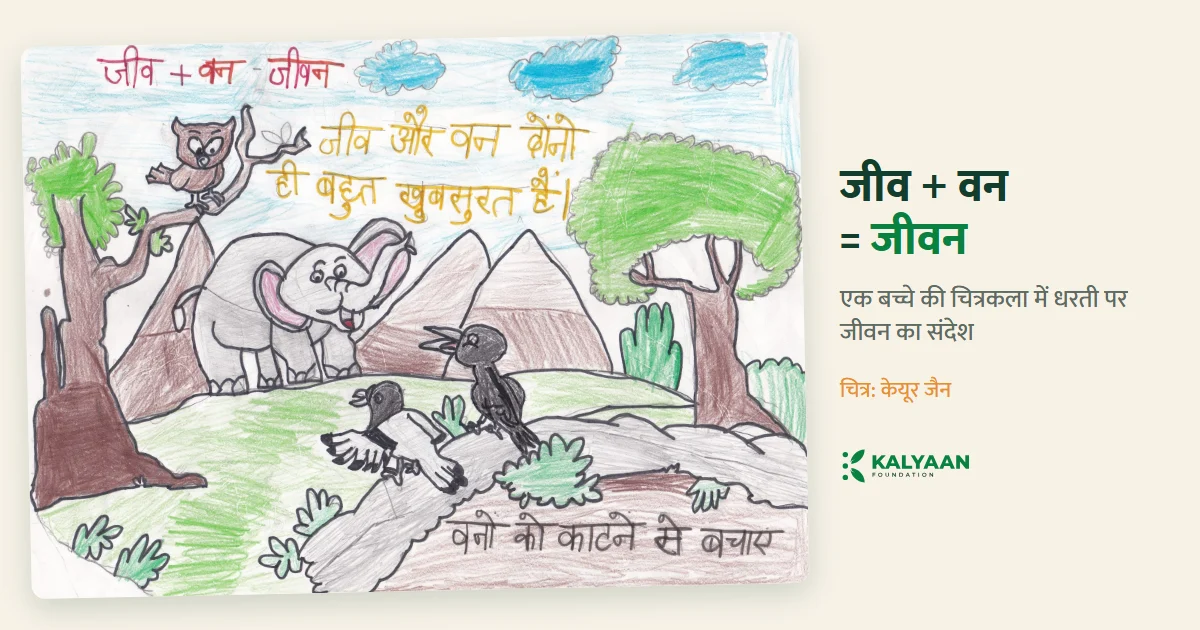
नन्हे केयूर जैन ने लिखा ‘जीव + वन = जीवन’: जीव और वन मिलकर ही जीवन बनाते हैं। जानें उनकी चित्रकला पारिस्थितिकी और वन बचाने के बारे में क्या सिखाती है।
Read Kalyaan's environment articles, see how water connects with agroforestry, or take part if you know a river, village or local problem worth discussing.