
When does today's moon date start and end?
📍 Ahmedabad ·
Calculating…
The English day changes at midnight. A moon date (tithi) does not: it can begin in the afternoon and end the next evening. Choose your city, month system and date.
Purnimanta: the month ends on Purnima (Rajasthan, North India). Amanta: the month ends on Amavasya (Gujarat, Maharashtra, South India). The tithi times are the same in both; only the month name changes during Krishna paksha.
On this date
Next moon dates
Month
Each day shows the moon date running at sunrise in your city. Tap a day to see its exact times.
Moon dates, simply explained
What is a moon date (tithi)?
A tithi is one lunar day: the time the Moon takes to move 12 degrees ahead of the Sun. A lunar month has 30 tithis, 15 in the bright half (Shukla paksha) and 15 in the dark half (Krishna paksha).
Why does a moon date not start at midnight?
The English calendar day always runs from midnight to midnight. A moon date starts and ends whenever the Moon reaches the next 12-degree step, so it can begin in the afternoon and end the next evening. Its length varies from about 19 to 26 hours.
Which moon date counts for a fast or festival?
Most traditions use the tithi that is running at sunrise (udaya tithi). That is why this page also shows the tithi at sunrise for your city.
What is the difference between Purnimanta and Amanta?
Both use the same tithis. In Purnimanta (Rajasthan and most of North India) a month ends on Purnima, the full moon. In Amanta (Gujarat, Maharashtra and the South) a month ends on Amavasya, the new moon. So during Krishna paksha the month name differs by one.
How accurate are these times?
The times come from astronomical calculation of the Sun and Moon. We compared them with an established panchang for several dates in 2026 and 2027, and they agreed within one minute. Nakshatras use the Lahiri (Chitrapaksha) ayanamsa, the standard used by the Government of India.
तिथि क्या है?
तिथि एक चंद्र दिन है: वह समय जिसमें चंद्रमा, सूर्य से १२ अंश आगे बढ़ता है। एक चंद्र मास में ३० तिथियाँ होती हैं: १५ शुक्ल पक्ष में और १५ कृष्ण पक्ष में।
तिथि आधी रात से क्यों नहीं बदलती?
अंग्रेज़ी तारीख़ हमेशा आधी रात से आधी रात तक चलती है। तिथि तब बदलती है जब चंद्रमा अगला १२ अंश पूरा करता है, इसलिए वह दोपहर में शुरू होकर अगले दिन शाम को भी समाप्त हो सकती है। एक तिथि लगभग १९ से २६ घंटे की होती है।
व्रत या त्योहार के लिए कौन सी तिथि मानी जाती है?
अधिकतर परंपराओं में सूर्योदय के समय चल रही तिथि (उदया तिथि) मानी जाती है। इसलिए यह पृष्ठ आपके शहर में सूर्योदय के समय की तिथि भी दिखाता है।
पूर्णिमांत और अमांत में क्या अंतर है?
दोनों में तिथियाँ एक ही होती हैं। पूर्णिमांत (राजस्थान और अधिकतर उत्तर भारत) में महीना पूर्णिमा पर समाप्त होता है। अमांत (गुजरात, महाराष्ट्र और दक्षिण भारत) में महीना अमावस्या पर समाप्त होता है। इसलिए कृष्ण पक्ष में महीने का नाम एक आगे-पीछे होता है।
ये समय कितने सही हैं?
ये समय सूर्य और चंद्रमा की खगोलीय गणना से निकाले जाते हैं। २०२६ और २०२७ की कई तारीख़ों पर हमने इन्हें एक प्रतिष्ठित पंचांग से मिलाया, और अंतर एक मिनट के भीतर रहा। नक्षत्र लाहिड़ी (चित्रापक्ष) अयनांश से निकाले जाते हैं, जो भारत सरकार का मानक है।
Read the full guide
Want to understand the calendar better? Our guide explains what a tithi is, why its start and end time changes every day, and why most fasts and festivals follow the tithi at sunrise. It also shows how the Purnimanta and Amanta months differ. Read it in English or in हिंदी, then come back here to check today’s times.
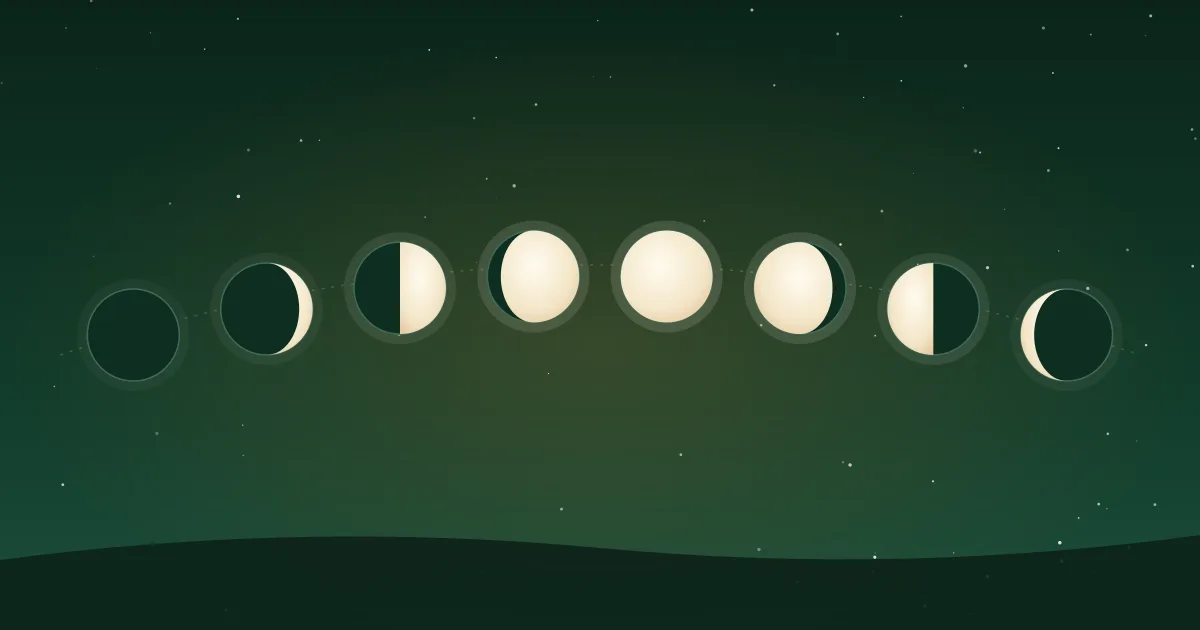
Moon Calendar: Know the Exact Tithi Start and End Time
Find today’s tithi with its exact start and end time for your city. Learn how moon dates work, why sunrise matters and how to use our free Moon Calendar.
चंद्र तिथि: आज की तिथि कब से कब तक है, सही समय जानें
आज की तिथि कब से कब तक है? अपने शहर के लिए तिथि शुरू और समाप्त होने का सही समय जानें। उदया तिथि, पक्ष और कल्याण का मुफ़्त चंद्र तिथि कैलेंडर।
पूरा लेख पढ़ें
तिथि को और गहराई से समझना चाहते हैं? हमारे लेख में बताया गया है कि तिथि क्या है, उसके शुरू और समाप्त होने का समय हर दिन क्यों बदलता है, और ज़्यादातर व्रत-त्योहार सूर्योदय की तिथि से क्यों तय होते हैं। पूर्णिमांत और अमांत महीनों का अंतर भी वहाँ सरल शब्दों में है। इसे हिंदी में या English में पढ़ें, फिर आज का समय देखने के लिए यहाँ लौट आएँ।
चंद्र तिथि: आज की तिथि कब से कब तक है, सही समय जानें
आज की तिथि कब से कब तक है? अपने शहर के लिए तिथि शुरू और समाप्त होने का सही समय जानें। उदया तिथि, पक्ष और कल्याण का मुफ़्त चंद्र तिथि कैलेंडर।
Moon Calendar: Know the Exact Tithi Start and End Time
Find today’s tithi with its exact start and end time for your city. Learn how moon dates work, why sunrise matters and how to use our free Moon Calendar.
Sources
- Sun and Moon positions: Astronomy Engine by Don Cross (open source, MIT licence), calculated on your device.
- Nakshatra: Lahiri (Chitrapaksha) ayanamsa, the standard of the Indian Calendar Reform Committee used in India's official Rashtriya Panchang.
- Time: Kalyaan's server clock on Cloudflare, synchronised with world standard time (UTC), shown in the time zone of the chosen place (India: IST, UTC+5:30).
- Your place: approximate location from your internet connection, provided by Cloudflare. No GPS, nothing stored.
- Place search: Open-Meteo geocoding, based on GeoNames data (CC BY 4.0).
- Checked against: an established panchang (Drik Panchang) for sample dates in 2026 and 2027.
स्रोत
- सूर्य और चंद्रमा की स्थिति: डॉन क्रॉस का Astronomy Engine (ओपन सोर्स, MIT लाइसेंस), गणना आपके फ़ोन या कंप्यूटर पर।
- नक्षत्र: लाहिड़ी (चित्रापक्ष) अयनांश, भारतीय पंचांग सुधार समिति का मानक, जो भारत के राष्ट्रीय पंचांग में उपयोग होता है।
- समय: क्लाउडफ़्लेयर पर कल्याण के सर्वर की घड़ी, जो विश्व मानक समय (UTC) से मिली रहती है; चुने गए स्थान के समय क्षेत्र में दिखाया गया (भारत: भारतीय मानक समय, UTC+5:30)।
- आपका स्थान: आपके इंटरनेट कनेक्शन से अनुमानित स्थान (क्लाउडफ़्लेयर द्वारा)। GPS नहीं, कुछ भी संग्रहित नहीं।
- स्थान खोज: Open-Meteo, GeoNames के आँकड़ों पर आधारित (CC BY 4.0)।
- मिलान: 2026 और 2027 की कुछ तारीख़ों पर एक प्रतिष्ठित पंचांग (दृक पंचांग) से।