 Environment
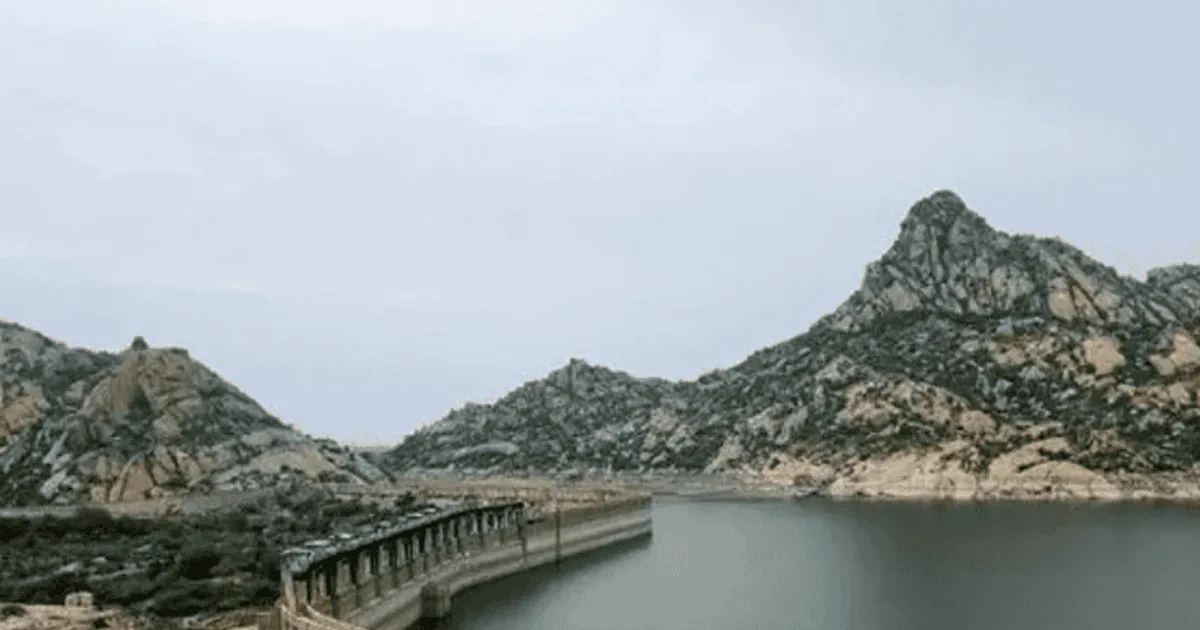
Jalore's rivers stay dry for most of the year. This article explains a simple plan: check dams every 4–5 km along the Jawai River, turning it into a 96 km long and about 1 km wide lake for farms, wildlife and villages in Jalore, Pali and Sirohi districts of Rajasthan.
Jalore district in Rajasthan is blessed with several rivers, including the Luni, Bandi, Sukri and Jawai. Yet for most of the year these rivers stay dry, and their potential for water conservation and sustainable development remains untapped. This post explains a practical plan to revive the Jawai River, why it matters, and what it can do for the people of the region.
Why Jalore’s rivers matter
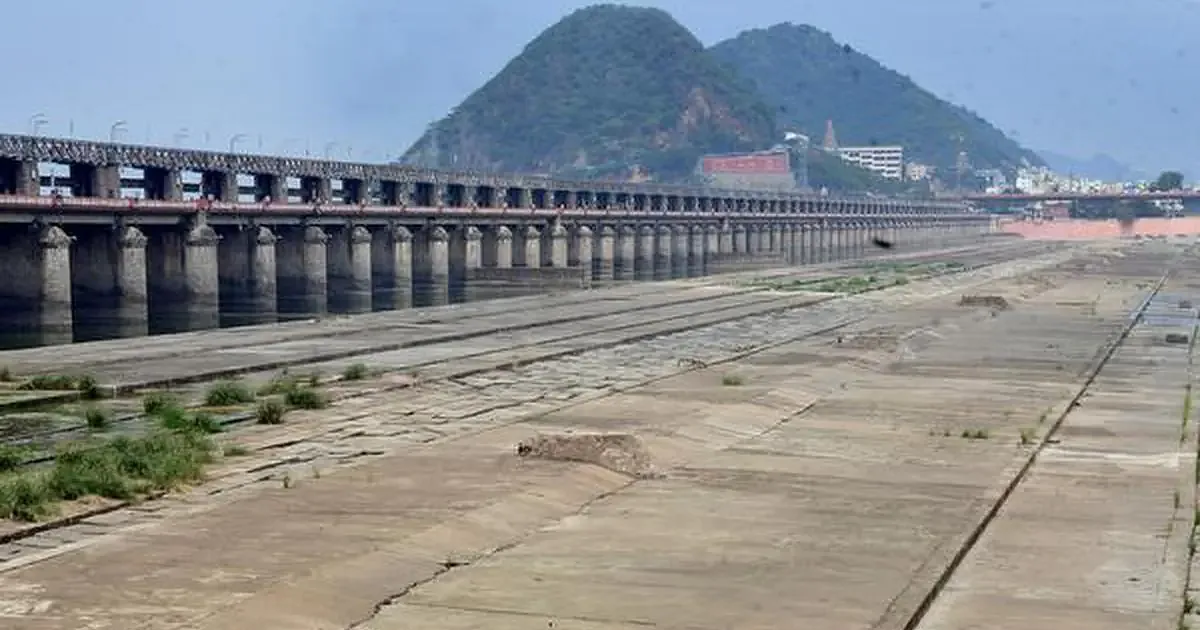
The rivers of Jalore, including the Jawai, support the local ecosystem, farming and everyday livelihoods. Today they receive little attention, and their beds are mostly exploited for sand mining. Reversing this needs a clear focus on water conservation and on managing the river as a long-term resource.
The Jawai River and its catchment area
The Jawai River rises in the Aravalli hills of Udaipur district and flows north-west for about 96 kilometres through Pali and Jalore districts. Its catchment area covers roughly 3,000 square kilometres (a rough estimate), spread across parts of Udaipur, Pali, Sirohi and Jalore districts.
Proposed water conservation measures
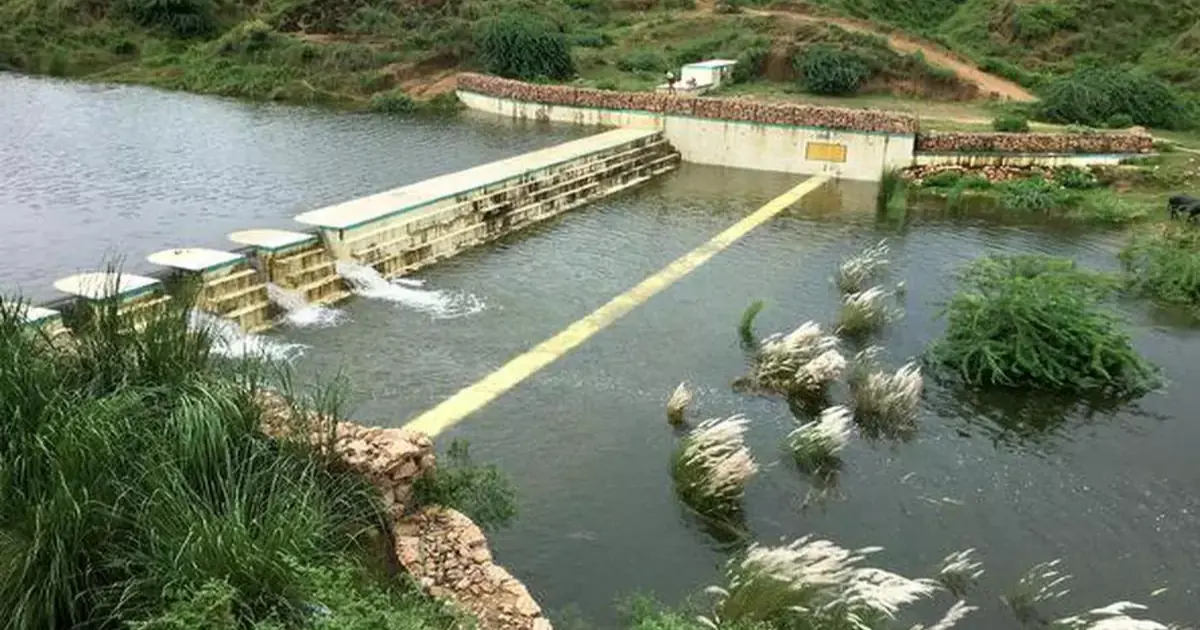
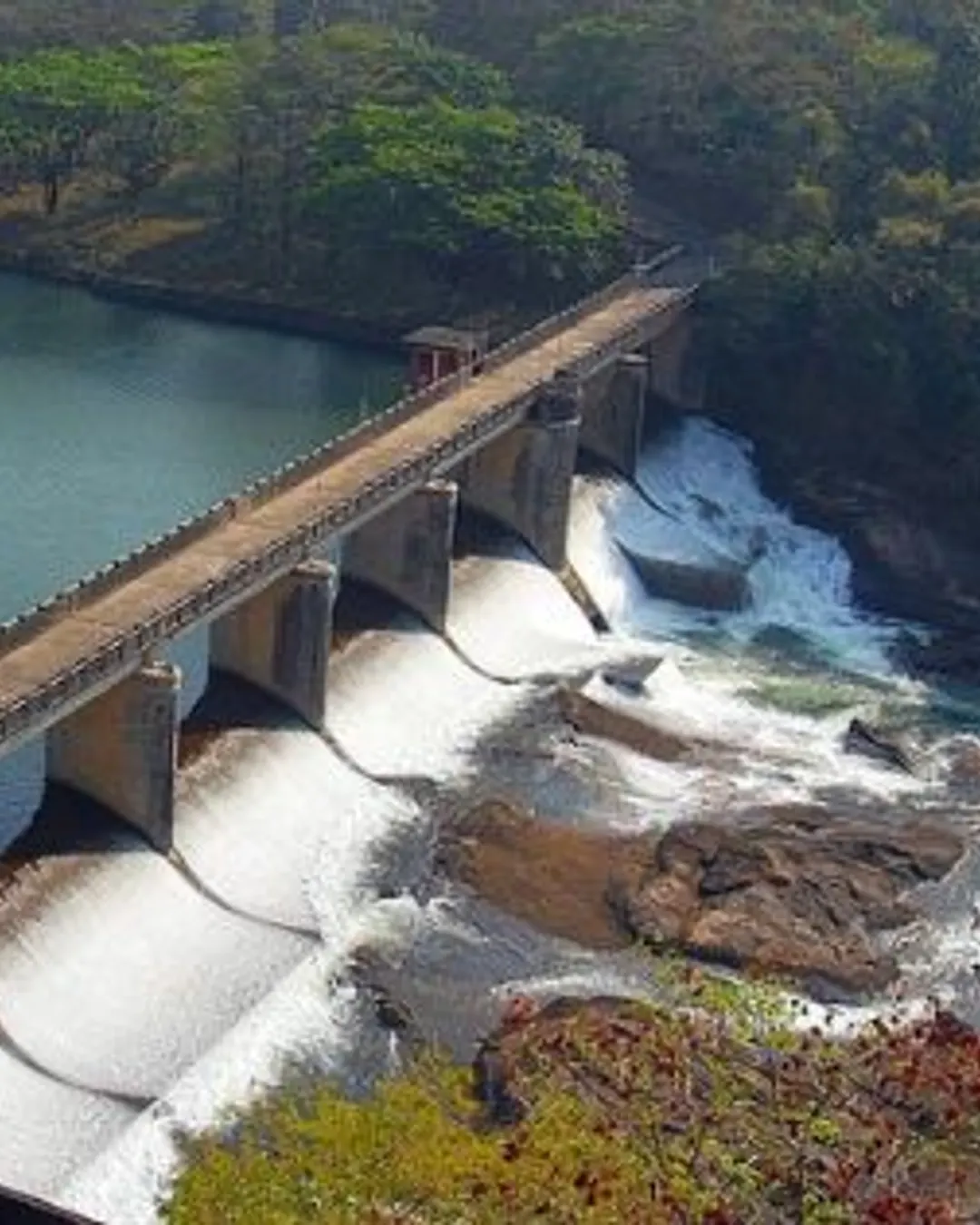
The plan is to build check dams across the full width of the river at regular intervals of 4 to 5 kilometres. Each check dam carries a bridge on top, so vehicles and people can move easily between the two banks. Together, these structures would add billions of litres of water storage to the river, turning it into a chain of reservoirs that holds water long after the monsoon. The approach is simple, structured and can be built step by step.
Benefits of the Jawai River water conservation project
1. More water stored, less flood risk. With billions of litres of new storage, the Jawai River basin would become a 96 km long and about 1 km wide lake. The check dams secure a steady supply of water for farming and drinking, and they also control floods during the monsoon. The project is a working example of good infrastructure and careful management of the environment.
2. Healthier ecology and wildlife. New wetlands behind the check dams create habitat for birds and animals, including the protected blackbuck antelope, and improve the overall health of the river basin.
3. A stronger local economy: farming, tourism and jobs. Reliable water is first of all a boost for agriculture: more crops, better yields and more income for farming families. The lakes will also attract visitors, creating work for local businesses, guides, shops and transport. Farming, tourism and trade together strengthen the whole local economy and give young people reasons to build their future at home.
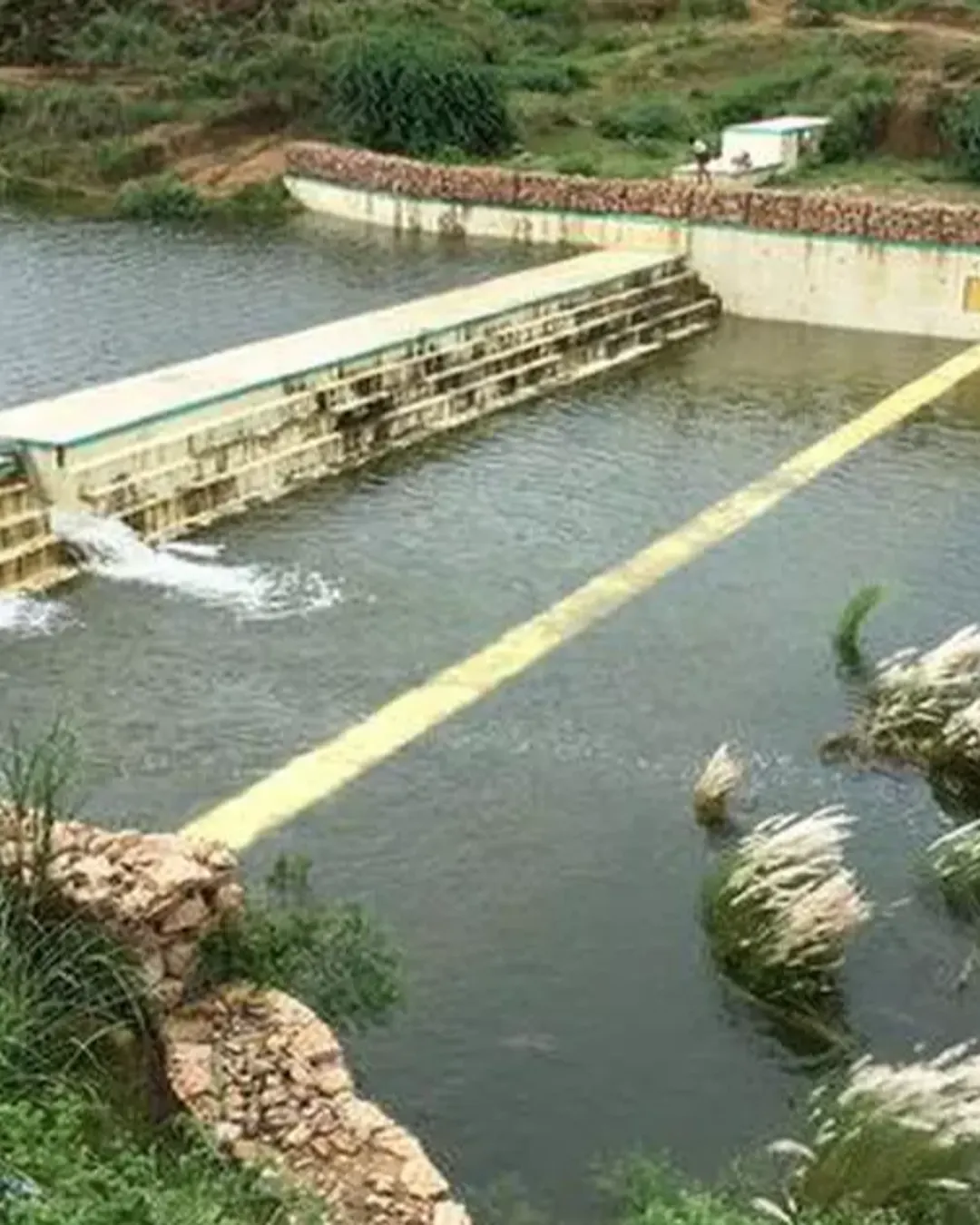
4. Groundwater and food security. Water held in the river soaks into the ground and recharges wells and borewells across the region. This gives a dependable source of water for drinking, irrigation and industry, and makes food production more secure.
5. Reverse migration and self-reliant communities. In recent years many villagers and farmers from Jalore have moved to other parts of India in search of better incomes. When water, farming and local work become reliable, this trend can reverse, just as check dams did in Dholpur. The project gives communities the resources and infrastructure to stay connected to their land, prosper and become self-reliant.
Conclusion: a lifeline for Jalore
Reviving the Jawai River is a significant opportunity to restore the region’s water resources, enhance biodiversity and promote sustainable development in Jalore, Pali and Sirohi.
With practical measures such as check dams with bridges, together with tree-based farming along its banks, the Jawai can become a lifeline for agriculture, wildlife and the local economy. The aim is not only to save water but to build prosperous, self-reliant communities that no longer need to leave home to earn a living.
With collective effort from government bodies, local communities and conservation organisations, a thriving and sustainable Jalore can become a reality through the revival of the Jawai River.
Questions and answers
What is the Jawai River revival plan?
A chain of check dams with bridges, built every 4–5 km across the full width of the Jawai River, so the river holds water all year and becomes a 96 km long, about 1 km wide lake.
Where does the Jawai River flow?
It rises in the Aravalli hills of Udaipur district and flows north-west for about 96 km through Pali and Jalore districts of Rajasthan.
How does it help farmers?
Stored water and higher groundwater give a steady supply for irrigation, drinking and industry, even in the dry months.
Can it reduce migration from Jalore?
Yes. When farming, tourism and local jobs become reliable, fewer families need to leave Jalore to look for income elsewhere, and communities become self-reliant.