 Environment
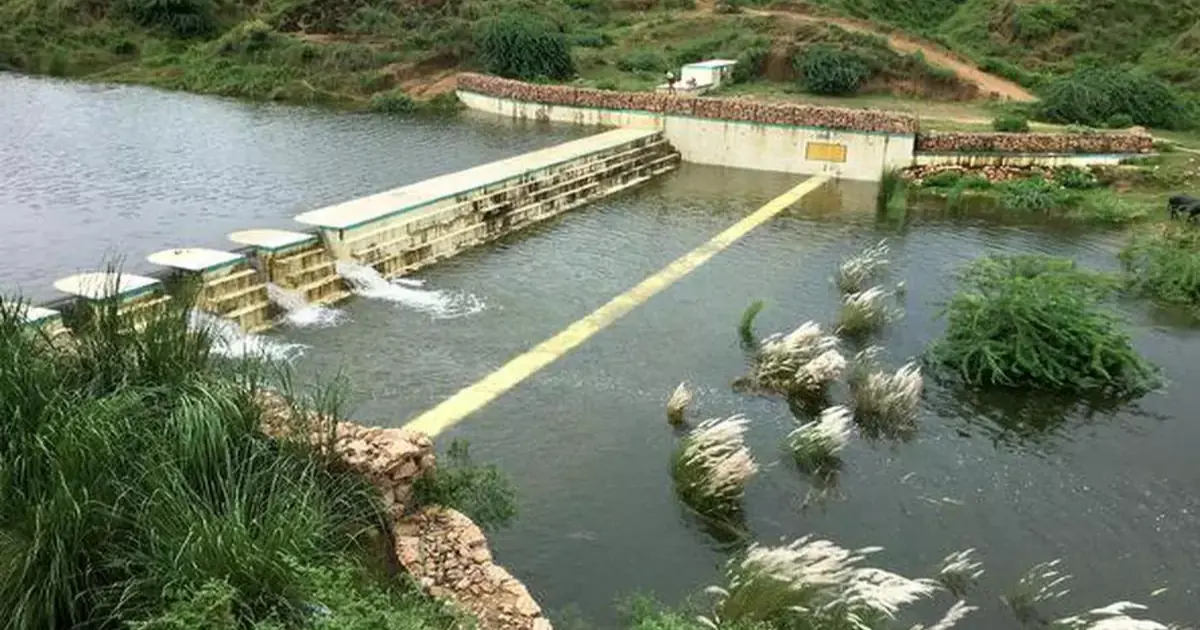
Water scarcity once pushed the villagers of Dholpur, Rajasthan, to migrate for work. Two masonry check dams on the Bamani river changed that. This post explains what was built, what changed for farmers and families, and what it teaches us about reviving dry rivers.
In Dholpur, Rajasthan, the scarcity of water has long plagued the villagers, causing hardships in daily life and agriculture. However, the construction of two masonry check dams in Dholpur, on the river Bamani, has brought about a remarkable change. Supported by Coca-Cola India Foundation’s Anandana, Lupin Human Welfare & Research Foundation and the Rajputana Society of Natural History, this project aimed to address water stress and promote sustainability. Today, with ample water storage and groundwater recharge, the villagers are experiencing the return of natives and a hopeful future.
Creating water reservoirs
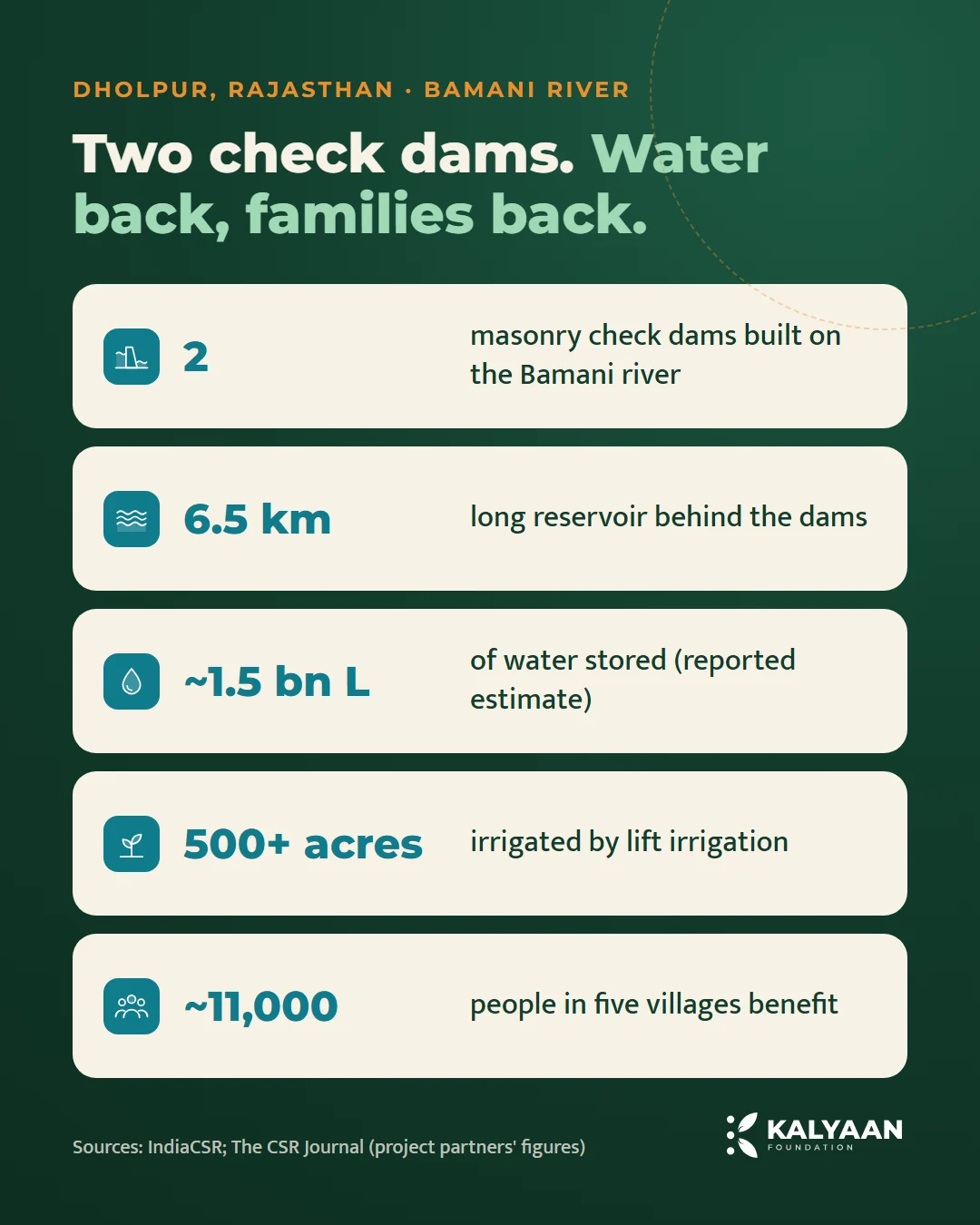
The collaboration between local citizens, the gram panchayat and the partnering foundations has resulted in the construction of two check dams. These structures have transformed the landscape, creating a 6.5 km long water reservoir capable of storing approximately 1.5 billion litres of water. Moreover, the project has revitalised existing wells, ensuring a sustainable supply of drinking water for the village.
Changing lives and aspirations: impact of check dams on migration
With water availability becoming more reliable, the villagers are witnessing positive transformations. Previously, many would migrate to Mumbai for work, but now they can focus on farming throughout the year. This shift has instilled a sense of pride among the villagers, who eagerly showcase the dams to visitors, hoping to share their success story. Their ultimate wish is to ensure water availability in every household, a goal that requires government intervention.
Empowering farmers with lift irrigation
The project also includes a lift irrigation scheme, lifting water from the reservoir to distribute it among beneficiary farmers. This system enables irrigation on over 500 acres of land, benefiting around 11,000 people across five villages. As a result, the groundwater level has risen significantly, positively impacting open wells in the area.
Towards a sustainable future
With the increased availability of water, the project aims to fulfil basic needs and improve livelihood options. In addition to meeting essential requirements, such as drinking water, cooking and sanitation, there are aspirations to expand agriculture beyond traditional crops. The project team envisions supporting farmers in growing cash crops and eventually moving to orchard farming, providing long-term sustainability and economic growth.
Challenges and future endeavours
While the check dams have brought about significant changes, challenges remain. Conserving water and raising awareness about its importance are ongoing efforts. The project leaders acknowledge that such transformations take time and require continuous community engagement. Together, they strive to combat the challenges of climate change, ensuring a brighter future for the villagers of Dholpur.
Conclusion: what Dholpur teaches us
The construction of check dams in Dholpur has sparked a remarkable transformation, rejuvenating the region’s water resources and leading to the return of villagers who had previously migrated for work. With increased water availability, livelihoods are improving, and aspirations for agricultural growth are taking shape. The collaborative efforts of local communities and partnering foundations show the power of sustainable initiatives in addressing water challenges and creating positive change.
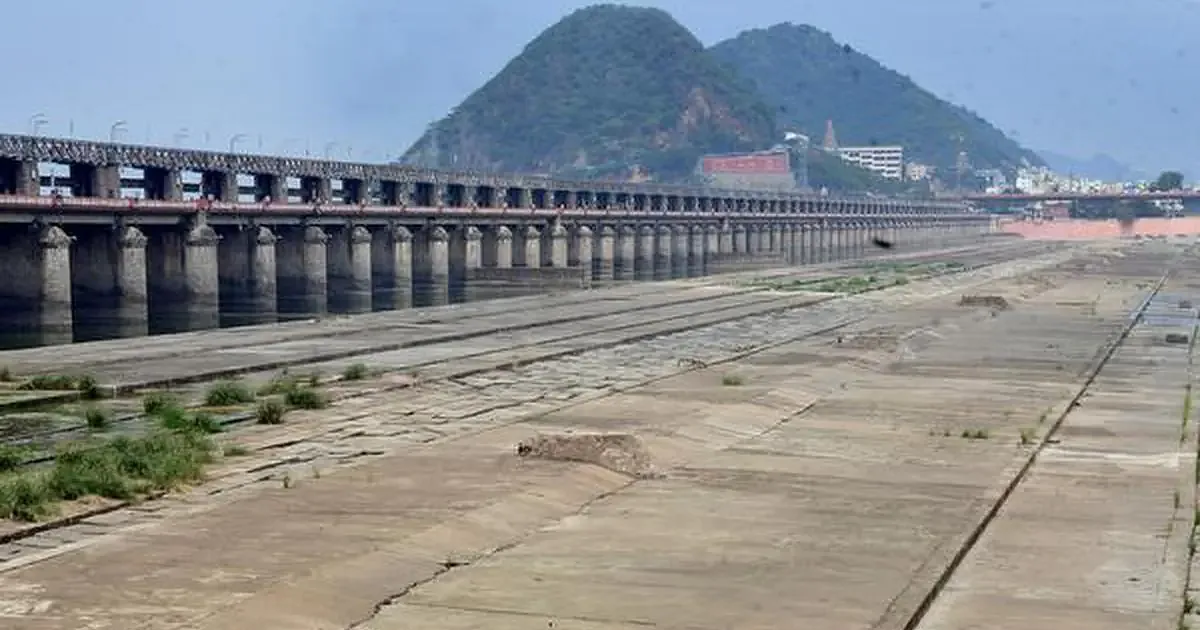
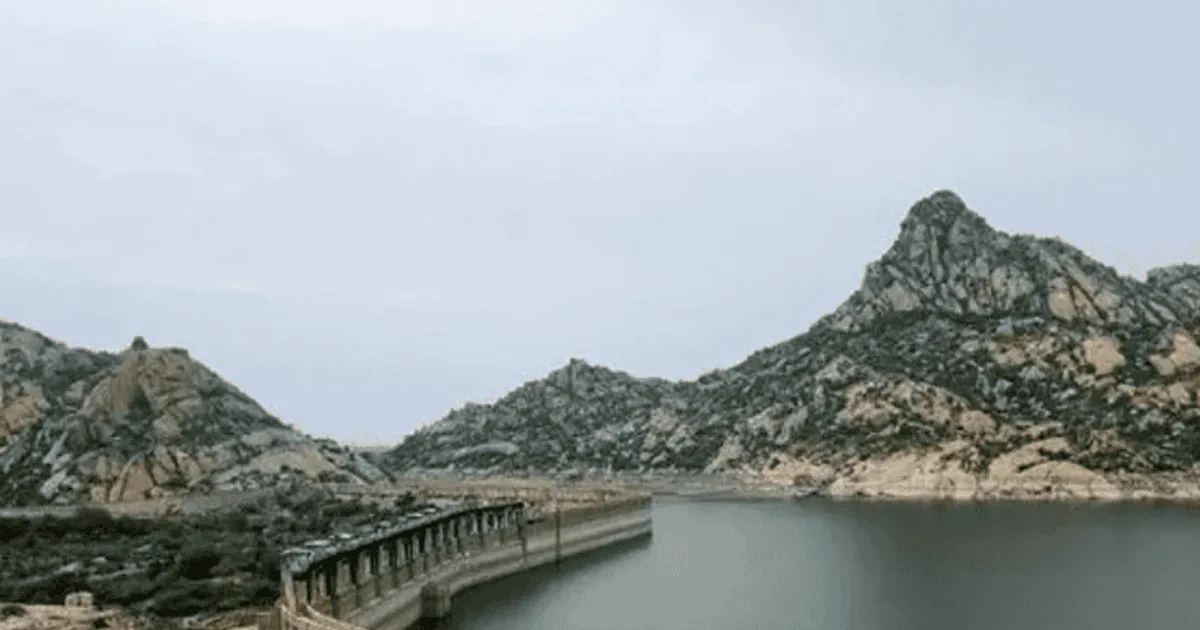
The same idea can work on bigger rivers too: Kalyaan has proposed a chain of check dams to revive the Jawai River in Jalore and to restore the Krishna River below the Prakasam Barrage.
Sources
- IndiaCSR, report on the Dholpur check dams based on the project partners’ release (6.5 km reservoir, 1.5 billion litres), indiacsr.in, accessed 9 November 2026.
- The CSR Journal, “This CSR initiative successfully implemented a water conservation project in Rajasthan” (11,000 people in five villages; gives the pond as 4.5 km), thecsrjournal.in, accessed 9 November 2026.
Questions and answers
What did the check dams in Dholpur achieve?
Two masonry check dams on the Bamani river created a 6.5 km reservoir storing about 1.5 billion litres, revived old wells and raised the groundwater level in the area.
How do check dams reduce migration?
When water is available all year, farmers can grow crops in every season instead of leaving for city jobs. In Dholpur, villagers who had gone to Mumbai for work came back to farm.
Who built the Dholpur check dams?
Local citizens and the gram panchayat, with support from Coca-Cola India Foundation's Anandana, Lupin Human Welfare & Research Foundation and the Rajputana Society of Natural History.
How many people benefit from the project?
About 11,000 people in five villages benefit, and a lift irrigation scheme waters more than 500 acres of farmland.